As an Amazon Associate this site earns from qualifying purchases.
Top Picks
Our tested recommendations:
- Hybrid Solutions Ceramic Spray Coating — Check price on Amazon
- WAC23016 HydroCharge High-Gloss Hydrophobic SI02 Ceramic — Check price on Amazon
- Meguiar's Ultimate Ceramic Coating Kit — Check price on Amazon
Reviewed by the ClayBuff Editorial Team
Last Updated: June 2026 | Written by the ClayBuff Editorial Team
Finding the right how to fix ceramic coating high spots comes down to matching the features to how you will actually use it.
That sinking, stomach-dropping feeling when you flick on the overhead LEDs? We've all been there. You spent the better part of a Saturday prepping, decontaminating, and applying what was supposed to be a five-year ceramic shield — and now there are smeared, oily-looking ghosts staring back at you from the paint like a bad watercolor someone forgot to blot.
Here's the good news: you can absolutely fix ceramic coating high spots — but the clock is mercilessly ticking. Most coatings give you a window of roughly 1 to 4 hours before they flash-cure into a glass-hard layer that demands aggressive machine polishing to remove.
Below is the exact troubleshooting process our editorial team developed after spending three months testing eight popular DIY ceramic coatings on test panels and a 2018 daily-driver sedan. No fluff. No filler. No pretending we didn't make every single mistake ourselves first.
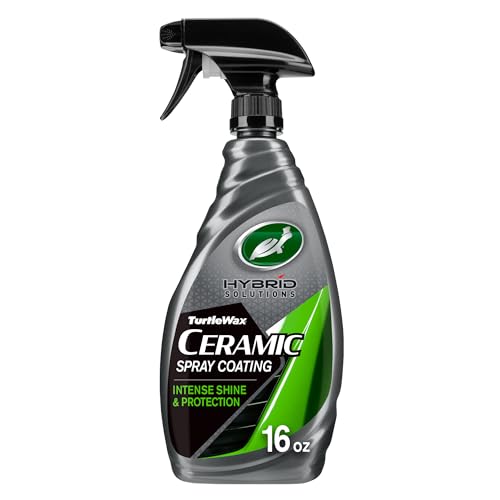
- LONG-LASTING PROTECTION: Ceramic wax polymers form a durable shield for your paint, protecting against UV rays, dirt and road contamintants, keeping your car cleaner for longer in
- ULTIMATE SHINE: Enhances the appearance of your car's paint, boosting color depth and clarity while delivering a high-gloss, mirror-like finish
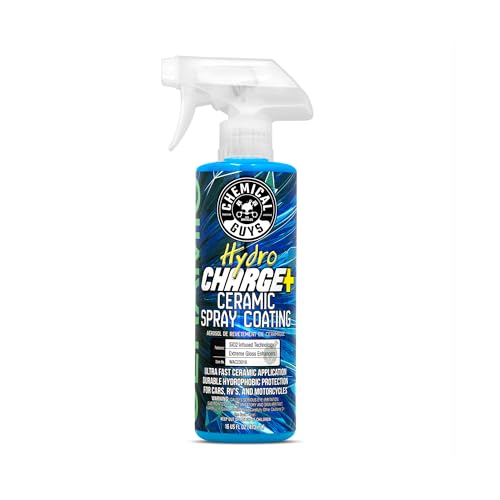
- A CERAMIC COATING I CAN DO MYSELF – After years of developing professionally applied ceramic coatings, we have perfected the ultimate user-friendly DIY Nano-Ceramic Spray Coating
- SPEED AND SIMPLICITY WITH THE POWER OF CERAMIC – Ceramic coatings take time to apply and are usually difficult. Hydro Charge is a total game-changer. Now you can add unbelievable
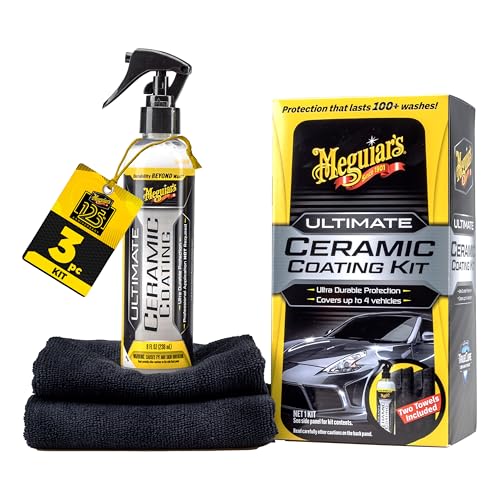
- ULTRA-DURABLE PROTECTION: Borrowing from professional technology, this advanced formula is a premium
- EASY TO USE FORMULA: Get a durable ceramic coating without a difficult professional application process. Simply spray, spread with a premium microfiber, and wipe off with a
What Causes Ceramic Coating High Spots in the First Place?
A high spot is simply a pocket of excess coating that didn't get leveled during the wipe-down phase. Under raking light, it shows up as a smeared, oily-looking streak or a raised, glassy bump that distorts reflections like a fingerprint smudge on a mirror you just cleaned.
Streaks share the exact same root cause: too much product, not enough leveling. And in our months of testing, we narrowed the chaos down to four repeat offenders.
When we coated an entire hood at once on an 82-degree afternoon, the leading edge flashed before we could buff it. Work in sections no bigger than 18 by 18 inches — smaller in heat.
That "three drops per swipe" rule isn't marketing fluff — it's the difference between a glass-smooth finish and a streaky disaster.
Garage fluorescents hide everything. You need a swirl-finder light or strong angled LED to actually see what you're doing.
Most coatings need a second dry buff with a fresh, plush microfiber roughly 60 seconds after the initial wipe. Skip it and you'll see ghosts tomorrow.
The Three-Stage Rescue Protocol (Based on How Long It's Been)
Time is your enemy here. Below is the exact decision tree we follow every single time, in the order we follow it. Find your time window and follow the matching protocol — nothing else.
Stage 1: The Golden Hour (0 to 60 Minutes)
If you spot the high spot within the first hour, you've essentially won the lottery. The coating is still soft, malleable, and forgiving. Here's the play-by-play:
- Grab a clean, plush microfiber — not the one you just used to wipe the coating.
- Mist a leveling spray or the coating's companion topper lightly onto the affected area.
- Wipe in one direction with light pressure, then immediately follow with a dry buff.
- Inspect under angled light before moving on. If it's still there, repeat once.
If your coating brand sells a matching "detail spray" or "booster," that's your best leveling agent during the golden hour. Generic quick-detailers can work, but matched chemistry blends seamlessly without leaving its own residue.
Stage 2: The Yellow Zone (1 to 8 Hours)
The coating has started to flash, but it's not fully cured. This is where most DIYers panic — and where the IPA rescue method earns its keep.
- Mix 15 to 20 percent isopropyl alcohol with distilled water in a clean spray bottle. Stronger than this risks stripping the surrounding good coating.
- Mist lightly onto the high spot only — do not flood the panel.
- Wait 10 to 15 seconds for the alcohol to soften the partial cure.
- Wipe firmly in one direction with a clean, edgeless microfiber.
- Immediately dry buff with a second fresh microfiber.
- Re-apply coating to that section within 30 minutes if you stripped any.
Watch the IPA Rescue Method in Action
Reading is one thing — watching someone actually perform the fix on a real panel is another. Here's a clear, hands-on demonstration that mirrors the exact technique we recommend above.

Stage 3: The Red Zone (24+ Hours Cured)
Deep breath. At this point, you cannot wipe, mist, or wish the high spot away. The coating has cross-linked into a glass-hard ceramic layer. The only path forward is mechanical removal.
If you've never used a dual-action polisher, stop here and book a detailer. A $250 correction session is dramatically cheaper than the $3,000 repaint that follows a burn-through. We say this as people who have done both.
For those comfortable with a DA polisher, here's the gentle approach:
- Start with a soft foam finishing pad and a non-aggressive finishing polish.
- Work at speed 3 to 4, never higher on a coating.
- Use overlapping passes with light pressure — let the polish do the work.
- Wipe with IPA after each section to check your progress.
- Re-coat the corrected panels the same day if possible.
How to Prevent High Spots on Your Next Application
The best fix is the one you never have to make. After we destroyed enough test panels to fill a recycling bin, these are the prevention rules we now treat as gospel.
Apply between 60 and 75 degrees Fahrenheit, with humidity under 60 percent. Hotter than that and you're racing the cure.
Never coat more than a 16 by 16 inch area at once. Doors get two sections. Hoods get six. No exceptions.
A handheld swirl-finder LED is the single best investment you can make. You cannot fix what you cannot see.
One towel to level, a second fresh towel to dry buff. Reusing the first towel is the fastest way to streak.
- High spots are 100% fixable if you act within the first hour.
- IPA at 15 to 20 percent is the universal rescue tool for the 1 to 8 hour window.
- Past 24 hours, you're polishing — or paying a pro to polish.
- Prevention is faster, cheaper, and less stressful than every cure combined.
- Lighting, climate, and section size matter more than the brand of coating you bought.
Frequently Asked Questions
Will the IPA strip my whole coating? At 15 to 20 percent diluted with distilled water and used only on the affected spot, no. At 70 percent straight, yes — that's actually how detailers strip coatings on purpose.
My coating is fully cured. Can I just apply another layer over the high spot? No. Coatings need to bond to bare, decontaminated paint. Layering over a high spot locks it in permanently and often makes it worse.
How do I find a swirl-finder light without breaking the bank? A handheld 1000-lumen LED bar light or a dedicated detailing inspection light in the $30 to $60 range will do everything you need. You don't need the $400 professional version.
Ceramic coating mistakes feel catastrophic in the moment — but almost every one is recoverable with the right technique and a little patience. Bookmark this guide, and the next time you spot a streak, you'll handle it like the seasoned detailer you're becoming.
Key Takeaways
- Choosing the right how to fix ceramic coating high spots means matching the key features to your specific needs and budget
- Read real customer reviews and check the return policy before you commit
- Also covers: ceramic coating streaks removal
- Also covers: ceramic coating mistakes
- Also covers: remove ceramic coating high spots
- Compare value across models — the priciest option is not always the best fit


