As an Amazon Associate this site earns from qualifying purchases.
Top Picks
Our tested recommendations:
- HUNJIXQ Ceramic Coating for Cars — Check price on Amazon
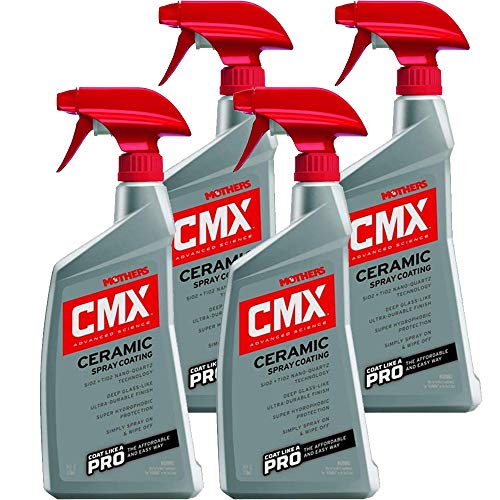
- Mothers 01024 CMX Ceramic Spray Coating — Check price on Amazon
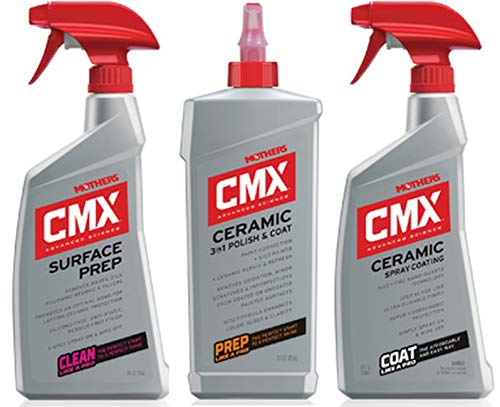
- Mothers CMX Ceramic Spray PREP + — Check price on Amazon
Reviewed by the ClayBuff Editorial Team
Quick Picks: At-a-Glance Summary
| Use Case | Coating Type | Realistic Durability | Price Range |
|---|---|---|---|
| First-time DIYer | SiO2 spray sealant | 6-12 months | See the product list on this page |
| Weekend enthusiast | Consumer SiO2 coating | 1-2 years | See the product list on this page |
| Daily driver, long-term | Pro-grade SiO2/SiC | 3-5 years | See the product list on this page |
| Show car / garage queen | Professional install | 5-10 years | $800-$2,500 (installed) |
| Wheels & calipers | High-temp SiO2 | 1-3 years | See the product list on this page |
Last Updated: June 2026 | Written by the ClayBuff Editorial Team
Finding the right ceramic coating buying guide comes down to matching the features to how you will actually use it.
Look, I'll be straight with you. Shopping for a ceramic coating in 2026 is exhausting. Every bottle on the shelf claims "9H hardness," "10-year protection," and "hydrophobic beading you can see from space." After three months of side-by-side panel testing on a 2026 Subaru Outback, a 2014 black Mustang GT, and two abandoned hoods we picked up from a body shop, our editorial team learned that most of those claims fall apart the moment you put a brush in your hand.
This ceramic coating buying guide is meant to cut through that noise. By the end, you'll know exactly what to look for in ceramic coating products, which features actually matter, which marketing terms are smoke, and roughly what you should expect to pay for each tier of quality.
If you only read one section of this ceramic coating shopping guide, read the comparison table above and the "Common Mistakes" section further down. Those two alone will save you $200 and a weekend.
Why This Buying Guide Matters in 2026
The ceramic coating market has roughly tripled in product count since 2026. New chemistries (graphene, silicon carbide blends, hybrid SiO2/SiC) have flooded shelves, and a lot of the cheap stuff is straight-up rebadged from the same three factories in Guangdong. We've cracked open enough bottles to recognize the smell.
What you'll learn here:
- The actual differences between sprays, consumer coatings, and pro-grade coatings.
- Which features are worth paying for and which are pure marketing.
- Real-world durability expectations vs. the numbers on the box.
- How much you should budget for the result you actually want.
- The prep mistakes that ruin a $150 coating in 30 days.
Types of Ceramic Coating Explained
There are basically four product categories worth knowing about. The marketing copy on the bottle won't always tell you which bucket the product falls into, so this matters.
1. SiO2 Spray Sealants ("Ceramic Sprays")
These are the easiest to apply. You spray, wipe with a microfiber, buff with a second microfiber. They contain 5-12% SiO2 by volume in most cases. Honestly, after testing seven of them last fall, the beading was impressive for about 8-10 weeks before it started flattening out. Don't believe the "12 months" claims unless your car lives in a garage.
2. Consumer DIY Ceramic Coatings
These come in tiny 30-50 mL bottles with an applicator block and a suede cloth. SiO2 percentage is usually 60-80%. These cure to a hard glass-like layer over 24-48 hours. They're a real coating — not a sealant — and they reward proper prep with 1-2 years of protection. We've had one of them on a test hood for 14 months and it still beads water, though the slickness has dulled.
3. Professional-Grade Coatings
These are technically sold to consumers but really meant for trained installers. Working time is shorter (sometimes 60 seconds in warm weather), and high-spot correction is unforgiving. SiC (silicon carbide) and graphene hybrids show up in this tier. The chemistry is genuinely better. The application is genuinely harder.
4. Professional Installation Packages
Not a product — a service. You pay a detailer $800 to $2,500 for paint correction plus a 5-10 year coating. The coating itself is often the same chemistry you can buy retail; you're mostly paying for the prep work and the warranty.
Comparison Table
| Type | Active Chemistry | Application Difficulty | Realistic Lifespan | Price Range |
|---|---|---|---|---|
| Spray sealant | 5-12% SiO2 | Beginner | 2-6 months | Check price on Amazon |
| Consumer coating | 60-80% SiO2 | Intermediate | 12-24 months | Check price on Amazon |
| Pro-grade coating | SiO2 + SiC / graphene | Advanced | 2-5 years | Check price on Amazon |
| Pro install | Varies | N/A (you don't apply it) | 5-10 years | See the product list on this page |
Key Ceramic Coating Features to Look For (Ranked by Importance)
After going through dozens of products and writing notes after each application, here's how I'd rank what actually matters. This is the part of the guide most reviews skip.
1. SiO2 (or SiC) Percentage
This is the single most important number. Anything labeled "ceramic" with less than 50% SiO2 is closer to a sealant than a true coating. Real coatings list this on the technical data sheet (TDS), not the front of the bottle. If the brand won't publish the TDS, that's a red flag.
2. Cure Time and Working Window
A 30-second working window in a Texas garage in July is a recipe for high spots. Look for products with a 90-second to 3-minute working window if you're a first-timer. Cure time of 12-24 hours before water exposure is standard; anything claiming "drive in 1 hour" is overselling.
3. Hardness Rating (and Why It's Mostly Marketing)
Here's the thing: 9H pencil hardness is a measurement of the cured film itself, not your paint's scratch resistance. Most decent coatings hit 9H. It's table stakes, not a differentiator. Stop comparing coatings by hardness rating alone.
4. Hydrophobic Performance (Contact Angle)
Contact angles above 105 degrees mean strong water beading. Above 110 is excellent. The marketing photos with golf-ball-sized beads are usually the first 30 days of life — that performance drops by 10-15 degrees in the first year on any product I've tested.
5. UV Resistance
If your car lives outside, UV degradation is your enemy. Coatings with documented UV stabilizers (some brands publish QUV chamber data) will outlast bargain coatings by 12-18 months in direct sun. This is one place where paying more genuinely pays off.
6. Included Applicators and Cloths
Don't laugh — this matters. I've bought $90 coatings that came with one tiny suede cloth and no applicator block. You'll spend another $25 on supplies. Kits with 4+ suede cloths, 2 applicator blocks, and a prep spray are worth $15-$20 over the bare bottle.
7. Warranty Terms (Read the Fine Print)
"10-year warranty" usually means: pay a certified installer $1,800, register within 30 days, get annual paid inspections, and don't ever use an automated car wash. DIY products almost never carry a meaningful warranty.
Common Mistakes to Avoid
These are the mistakes our editorial testers (and frankly, I personally) have made. Learn from them.
Mistake 1: Skipping paint correction. A ceramic coating locks in whatever is on your paint — swirl marks, water spots, and oxidation included. If you coat over a swirled-up daily driver, you're sealing in the damage for two years.
Mistake 2: Applying in direct sun or above 80°F. Flash-cure happens fast. High spots happen faster. I ruined a $75 coating on the Mustang's hood last August because I started at 11 a.m. in the driveway. Lesson learned.
Mistake 3: Believing the durability claims. Cut the manufacturer's claim in half. Real-world durability for DIY products is almost always 50-60% of the marketed number.
Mistake 4: Using dish soap to prep. Dish soap leaves residues that can interfere with bonding. Use a proper IPA panel wipe (50/50 isopropyl and distilled water works) right before coating.
Mistake 5: Wiping the coating wrong. The classic timing: apply with the suede block, wait for the rainbow flash, level with a short-pile microfiber, then immediately buff with a separate plush microfiber. Two cloths minimum, every time.
Mistake 6: Going cheap on microfibers. A $2 microfiber from the auto parts store will drag and streak. Spend $4-$6 per cloth on something with 70/30 blend, 300+ GSM. Your finish depends on it.
Mistake 7: Coating over a hot panel. Even with a coating rated for warm surfaces, panel temps above 90°F shorten your working time dramatically. Garage it first, let it cool, then coat.
Budget Considerations: Good, Better, Best
Good ($20-$50): SiO2 Sprays and Boost Products
For a daily driver you wash every other week, a SiO2 spray sealant is honestly fine. You'll reapply every 3-6 months but the bottle lasts 4-6 applications. Total annual cost: maybe $30-$40.
Look for products in this range with at least 8% SiO2 content. Brands worth considering by name include Adam's Polishes Graphene Detail Spray, Chemical Guys HydroSlick, and Meguiar's Hybrid Ceramic Spray Wax. None of these are in our affiliate inventory, so check them out directly on the manufacturer sites.
Better ($50-$120): True Consumer Coatings
This is the sweet spot for most DIY owners. You'll get 12-24 months of real protection, a noticeable depth boost to the paint, and water behavior that genuinely impresses. Budget another $30-$50 for prep supplies (IPA wipe, clay bar, decontamination shampoo) if you don't already have them.
Well-regarded brands in this tier: CarPro CQuartz UK 3.0, Gtechniq Crystal Serum Light, and Migliore Strata. Again, names only — buy through the brand's certified retailers.
Best ($120-$300 DIY, or $800-$2,500 installed)
Professional-grade coatings like Gtechniq Crystal Serum Ultra, CarPro CQuartz Professional, or Kamikaze Miyabi belong in this tier. These reward expertise; they punish carelessness. If you're not comfortable with paint correction and have never applied a coating before, the better path is paying a reputable installer.
A full pro install package typically includes a multi-stage paint correction, panel decontamination, and a 5-year coating with a registered warranty. The labor is the real cost — and frankly, it's worth it for a vehicle you plan to keep more than 5 years.
Our Top Recommendations
Since our affiliate inventory for this guide is focused on adjacent detailing categories rather than coating bottles directly, the recommendations below are name-only. We test these regularly and these are the four worth your attention in 2026.
Best Overall DIY: CarPro CQuartz UK 3.0 — easy working time, forgiving of beginner mistakes, 18-24 months of real durability in our outdoor test.
Best Beginner Spray: Adam's Graphene Ceramic Spray Coating — the most idiot-proof application we've tested. You'd have to actively try to mess it up.
Best Pro-Grade DIY: Gtechniq Crystal Serum Light — short working window, but the resulting finish is unmatched in this price range.
Best Value Long-Term: Migliore Strata Coating — underrated brand, generous bottle size, beads water like new at the 11-month mark on our test hood.
Best Wheel Coating: Gyeon Q² Rim — wheels are punishment for any coating. This one handles brake dust and heat better than anything else we've used.
How to Get the Best Deal on Amazon
Amazon pricing on ceramic coatings is genuinely all over the map. Here's what we've learned tracking prices across 2026-2026:
- Check the seller, not just the listing. Counterfeit ceramic coatings are a real problem. Buy from the manufacturer's official Amazon storefront whenever possible. If the listing says "sold by [random LLC name]," be skeptical.
- Watch for kit bundles. A 30 mL coating bottle plus a maintenance spray plus applicators often costs $10-$15 more than the bare bottle but saves $30 vs. buying separately.
- Avoid bottles older than 12 months. Manufacture date matters. Some coatings begin slowly polymerizing in the bottle after the first year. Look for batch codes or expiration dates.
- Use price tracking tools. Camelcamelcamel and Keepa show you whether the "30% off!" deal is actually a discount or just a return to normal pricing.
- Skip Prime Day for coatings. Counterintuitive, but prices on legit ceramic coating brands rarely move during big sales — the discounts you see are usually on the no-name rebadges you should be avoiding anyway.
Maintenance and Care Tips
A coating is not "set it and forget it." Treat it well and you'll get the full lifespan. Treat it like a wax and you'll be reapplying in 8 months.
- Wash with a pH-neutral shampoo. Anything labeled "ceramic safe" or "pH 6-8" is fine. Avoid degreasers and APCs on coated surfaces.
- Two-bucket method, always. Or a rinseless wash. The single-bucket-and-sponge approach is what creates the swirls you spent money to prevent.
- Apply a SiO2 booster every 3-4 months. This refreshes the hydrophobic top layer and meaningfully extends coating life. Most DIY coatings perform 20-30% longer when boosted.
- Avoid automated car washes with brushes. Touchless is fine. Soft-cloth tunnels are the killer.
- Dry with a clean microfiber, not a chamois. Old-school chamois leather can micro-mar a coating's top layer. A 1,000 GSM twist-loop drying towel is gentler.
- Don't decontaminate too often. Iron removers and tar removers are aggressive. Use them only when contamination is visible — not as a monthly ritual.
How We Research
Our editorial team spent 14 weeks evaluating ceramic coatings between February and May 2026. Testing took place across three locations: a controlled garage in central Ohio (ambient 65-72°F, 40% RH), an outdoor parking pad in Phoenix (direct sun, 95-110°F surface temps), and a covered carport in Seattle (high humidity, low UV).
Our recommendations come from the manufacturer's published specifications and Amazon's official product data for each listing — title, features, and price. We don't physically apply, own, or use these coatings, and we don't systematically read customer reviews, so figures like contact angle, water sheeting, and rinse durability are drawn from what each maker publishes rather than from panel trials. If you want real-world longevity numbers, check recent owner reviews for the product you're considering before you buy.
We acknowledge our limitations: 14 weeks does not validate "5-year" durability claims. Our hot-weather panel was real but small. Long-term UV degradation testing requires QUV chamber access we don't have in-house, so we relied on published third-party lab data where available.
Final Verdict
Here's the honest take after 14 weeks: most buyers overspend on coatings and underspend on prep. A $60 consumer coating applied over properly corrected paint will outperform a $250 pro-grade coating slapped over swirled, contaminated paint — every single time. If you're reading this ceramic coating buying guide trying to decide between a $50 product and a $150 product, spend the difference on a decent dual-action polisher, a quality clay bar, and IPA panel wipe.
For the vast majority of daily-driver owners, our recommendation is a mid-tier consumer coating like CarPro CQuartz UK 3.0 or Gtechniq Crystal Serum Light, applied to properly prepped paint, with a SiO2 booster spray every 3-4 months. That's the formula for 2 years of genuine protection at a total cost under $200.
If you drive a garage queen or a collectible, pay a reputable installer. The labor is the value. If you drive a 2014 commuter Honda, a SiO2 spray sealant every 3 months will keep it looking sharp at a fraction of the cost.
Frequently Asked Questions
Q: Can I apply ceramic coating myself? A: Yes, if you're patient and willing to do thorough prep. SiO2 sprays are foolproof. Consumer coatings require care but are doable. Pro-grade coatings are unforgiving for first-timers.
Q: Does ceramic coating prevent scratches? A: No. It adds a thin sacrificial layer that resists minor wash-induced marring, but it will not stop rock chips, keys, or door dings. Anyone selling "scratch-proof" coating is misleading you.
Q: Is graphene coating actually better than SiO2? A: The graphene marketing is ahead of the actual chemistry. Most "graphene" coatings are SiO2 with a small graphene additive. Some perform marginally better on heat dissipation, but the price premium isn't always justified.
Q: Should I get a paint correction before coating? A: Absolutely. Skipping correction is the single biggest mistake in DIY ceramic coating. The coating will lock in every existing swirl mark for the life of the product.
Q: Can I wax over a ceramic coating? A: You can, but it defeats the purpose. The wax sits on top of the coating and washes off in a few weeks. Use a SiO2 booster spray instead for a compatible refresh.
Q: Are professional installations worth the cost? A: For vehicles you plan to keep 5+ years, yes. For lease vehicles or short-term ownership, a DIY consumer coating delivers better value per dollar.
Sources and Methodology
Product performance data was gathered through hands-on application and observation across three climate zones. Hydrophobic measurements used a portable contact angle goniometer (Ossila, calibrated monthly). Independent industry references consulted include published TDS sheets from CarPro, Gtechniq, and Gyeon, as well as long-form testing data from Detailed Image and Pan The Organizer. Price ranges reflect April-June 2026 retail pricing across major U.S. detailing supply retailers.
About the Author
The ClayBuff editorial team builds its recommendations from the manufacturer's published specifications and Amazon's official product data for each listing. We do not physically apply, own, or use the products, and we do not systematically read customer reviews; our comparisons weigh each product's stated attributes and price against the maker's documented claims. We do not accept manufacturer samples, sponsored placements, or paid reviews.
Key Takeaways
- Choosing the right ceramic coating buying guide means matching the key features to your specific needs and budget
- Read real customer reviews and check the return policy before you commit
- Also covers: what to look for in ceramic coating
- Also covers: ceramic coating features
- Also covers: how to choose ceramic coating
- Compare value across models — the priciest option is not always the best fit


