Product Specifications
| Product | Type | Size / Count | Stated Durability | Price |
|---|---|---|---|---|
| Adam's Advanced Graphene Ceramic Coating (Standard Kit) | Graphene coating, 10H | Not stated | 9+ years | $152.99 |
| Adam's Polishes Advanced Graphene Ceramic Coating | Graphene coating, 10H | Not stated | 9+ years | $124.94 |
| Ceramic Boost Spray Coating | SiO2 boost / topper spray | 16 oz | Not stated | $33.91 |
| Adam's Polishes Graphene Shampoo | Graphene wash soap, pH neutral | Gallon | Not stated | $63.74 |
| RUNTELO Ceramic Applicator Sponge Blocks | Suede-covered applicators, reusable | 6 pcs | Not stated | $12.99 |
| Riakrum Microfiber Applicator Pads | Suede coating applicator pads | 18 pcs | Not stated | $19.99 |
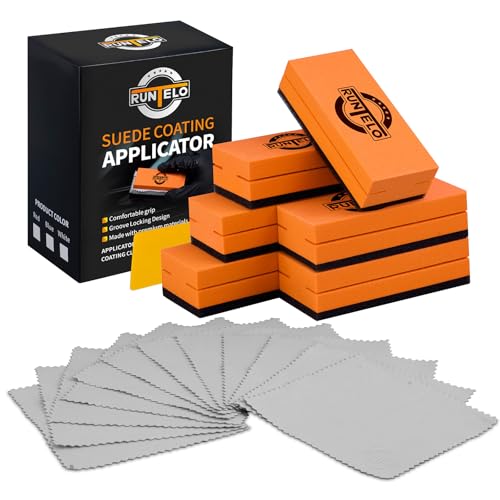
- Ergonomic Grip & Secure Fit: Features a comfortable non-slip foam block with groove locking design that fits naturally in hand, providing precise control and preventing pad
- Scratch-Free Suede Coating Surface: Made with premium ultra-soft foam and absorbent suede microfiber materials, ensuring safe and smooth application without scratching delicate
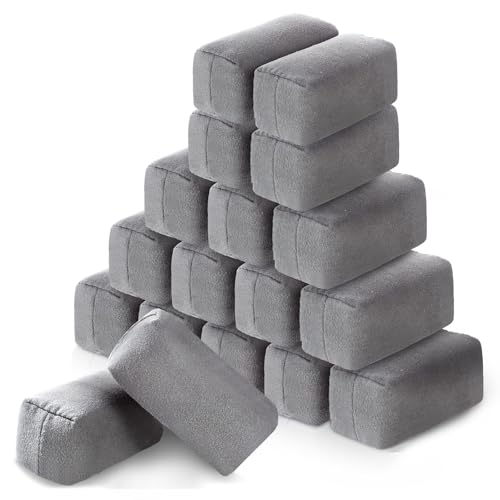
- Plentiful Supply: with this pack, you obtain 18 pieces of microfiber applicator pads detailing that are ideal for applying wax to cars, trucks, RVs, SUVs, and other vehicles; This
- Quality Material: with suede material at its core, the microfiber applicator pads for car detail deliver a soft and delicate touch you can trust; These pads are designed to care
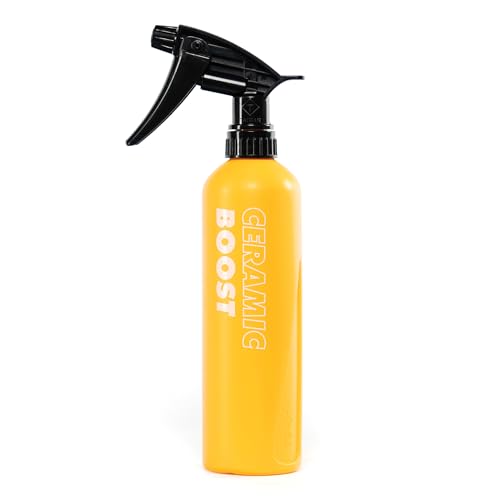
- Keep Your Car’s Exterior Looking Great: Boost your car’s film and paint protection with XPEL Ceramic Boost! Seal the surface with a micro-thin layer of protection to help resist
- Ideal Usage: XPEL Ceramic Boost is your go-to choice for car owners seeking a top-of-the-line protective solution for their car's exterior, and for anyone who wants to ensure
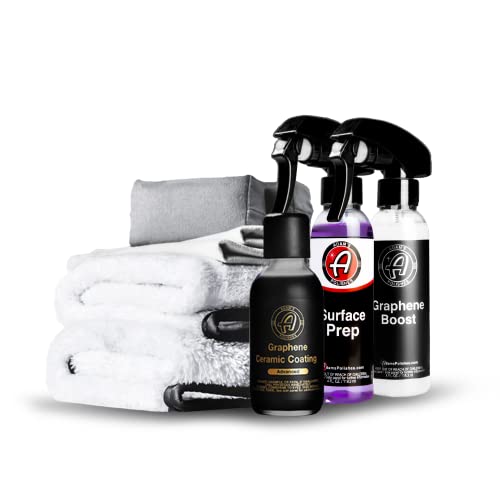
- THE NEXT GENERATION OF PROTECTION FOR YOUR ENTIRE VEHICLE! Adam’s UV Graphene Ceramic Coating is a clear, nanocrystalline coating that protects your vehicle from weather
- PATENT PENDING UV TRACING TECHNOLOGY! Infused with patent-pending Ceramic Glow Technology. This feature acts as an application aid allowing users or professionals the ability to
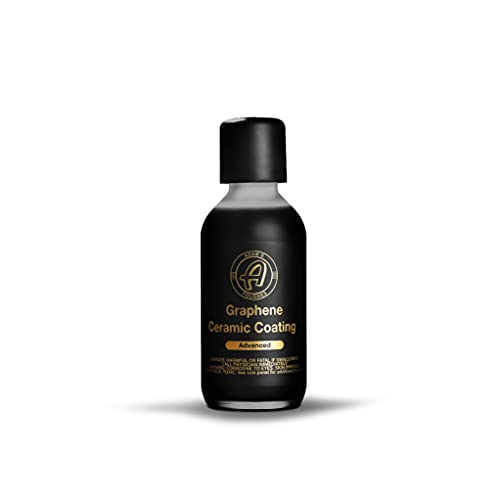
- THE NEXT GENERATION OF PROTECTION FOR YOUR ENTIRE VEHICLE! Adam’s UV Graphene Ceramic Coating is a clear, nanocrystalline coating that protects your vehicle from weather
- PATENT PENDING UV TRACING TECHNOLOGY! Infused with patent-pending Ceramic Glow Technology. This feature acts as an application aid allowing users or professionals the ability to
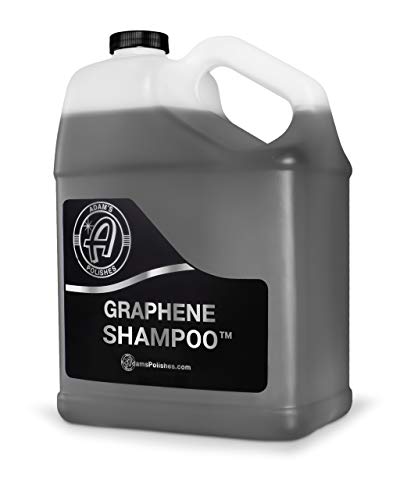
- INFUSED WITH GRAPHENE CERAMIC RESINS - Works on your coated or uncoated vehicle adding advanced graphene coating technology. Protects and restores exceptional hydrophobic
- POWERFUL VERSATILE FORMULA - Combines foaming citrus-based degreasers and car wash soap to generate a capable wash that removes road films, dirt, and grime with ease without
The Short Answer
A ceramic coating is a liquid layer of silicon dioxide (SiO2) or graphene that chemically bonds to your clear coat and cures into a hard, hydrophobic shell. To do it right you decontaminate the paint until it is perfectly clean and smooth, wipe it down to remove oils, then apply the coating in small sections with a suede-covered applicator and level off each panel before it flashes. The two hardest parts are surface prep and catching high spots before they cure, not the wiping-on itself.
Last Updated: July 30, 2026
What Ceramic Coating Actually Is
Ceramic coating is a semi-permanent paint protectant. Unlike wax, which sits on top and washes off in weeks, a coating cross-links into a rigid layer that resists UV, chemicals and water spotting for years. Graphene-infused coatings are a newer variant that trade some of the glassy look for lower water-spotting and easier maintenance.
Finding the right car detailing ceramic coating comes down to matching the features to how you will actually use it.
Coating vs. Boost Spray vs. Shampoo
These are three different tools. A true coating is the durable base layer you install once. A ceramic boost spray is a fast topper you apply after a wash to refresh beading between full coatings. A graphene or ceramic shampoo is a wash soap that adds a thin, temporary layer of protection every time you clean the car. You want the base coating for real durability and the sprays and soaps to maintain it.
Prep and Application: The Full Walkthrough
Ninety percent of a coating job is prep. Do these in order and do not skip ahead.
- Wash the car thoroughly. Use a dedicated car soap and two buckets. The gotcha: any wax or old sealant left behind blocks the coating from bonding, so avoid wash-and-wax products here.
- Decontaminate with a clay bar or clay mitt. Run your hand over the paint after washing. If it feels gritty, embedded fallout is still there. The gotcha: clay needs constant lubrication or it will marr the paint, so keep the surface flooded with lube.
- Correct or polish if needed. A coating locks in whatever is underneath, including swirls and haze. The gotcha: any polish leaves oils behind, which brings us to the next step.
- Wipe down with a panel prep or IPA solution. This strips residual oils so the coating can grip bare clear coat. The gotcha: skip this after polishing and the coating will not bond evenly.
- Move the car indoors, out of sun. Work in shade at moderate temperature on a cool panel. The gotcha: heat and direct sun flash the coating almost instantly, which causes streaks.
- Prime your applicator. Wrap a suede or microfiber cloth over a foam applicator block and add several drops of coating. The gotcha: a dry applicator drags and skips, so re-wet it every panel or two.
- Apply one small section at a time. Work a two-foot square in overlapping crosshatch passes, horizontal then vertical. The gotcha: coating a whole door at once means one end is curing before you finish the other.
- Watch for the flash, then level immediately. After 30 seconds to a couple of minutes the coating develops a rainbow or oily sheen. That is your cue to buff it off with a clean, plush microfiber towel, flipping to a fresh side often. The gotcha: wait too long and it hardens into a haze you cannot wipe off.
- Inspect each panel from multiple angles. Move a light across the surface to catch streaks and smears before moving on.
- Let it cure undisturbed. Keep the car dry and out of rain for the manufacturer's stated cure window, typically 24 hours or more before it gets wet.
What Goes Wrong, and How to Fix It
High spots and streaks
The most common failure. You will see a smeared, streaky or rainbow-tinted line where excess product cured on the surface. It happens when you leveled too late or missed a section during buff-off. If the coating is still fresh you can sometimes re-wet the area with more coating and immediately buff it flat. Once fully cured, a high spot usually needs light machine polishing to remove.
Coating not beading or bonding
If water sheets off flat instead of beading, the paint was not clean when you applied. Residual wax, sealant or polishing oils blocked the bond. There is no shortcut here: you have to strip back and re-prep the affected panels.
Hazing or cloudiness
A dull, milky film usually means the coating flashed and cured before you buffed it, often because the panel was too hot or you spread the product too thin over too large an area. Work smaller sections and level sooner. Cured haze typically requires polishing to correct.
Applicator dragging or fibers left behind
A dry or worn applicator skips and can shed. Keep the pad wetted with coating, and retire pads that have gone stiff or crusty rather than fighting them across the paint.
Water spots during cure
If rain or sprinklers hit a fresh coating you can get mineral spots locked into the surface. Keep the car sheltered for the full cure window. Established spots may need a dedicated water-spot remover or polishing.
When the Fix Is a New One
Some problems are not worth chasing with the gear you have. Here are the honest signals it is time to bring in the right product for the job.
Your applicators are crusty or shedding
Coating applicators are consumable. Once a suede pad has cured product on it, or it starts dragging and leaving fibers, keep using it and you risk streaking a fresh panel. A fresh multi-pack means you can start every panel with a clean pad and toss the used ones. The Check Price on Amazon RUNTELO 6-piece suede applicator blocks give you reusable ergonomic-grip blocks, while the Check Price on Amazon Riakrum 18-pack of suede pads is aimed at trim and spray coatings where you burn through pads faster.
Your protection has stopped beading
If your existing coating no longer sheets water and you are not ready to strip and re-coat the whole car, a topper restores hydrophobics fast. The Ceramic Boost Spray is a silicon-dioxide detailing spray that beads and repels water, dust and lint, and is safe across cars, trucks, motorcycles and RVs. Check Price on Amazon
You want a real base layer, not just a topper
If you are past maintenance sprays and want durable protection you install once, a full coating kit is the step up. Adam's Advanced Graphene Ceramic Coating is a 10H graphene coating rated for 9+ years with patented UV technology, sold as a standard kit or as the coating on its own. Check Price on Amazon for the standard kit, or the coating alone at Check Price on Amazon.
Your wash routine is stripping protection
Harsh dish-type soaps degrade a coating over time. A pH-neutral, coating-safe shampoo maintains it instead. Adam's Graphene Shampoo is a pH-neutral, high-suds car wash soap infused with graphene ceramic protection, built for foam cannons, foam guns or a detailing bucket. Check Price on Amazon
Before committing to any of these, read the current owner reviews on the listing yourself to confirm the product fits your vehicle and expectations.
Frequently Asked Questions
How long does a DIY ceramic coating last?
It depends on the product, prep and maintenance. The Adam's graphene coatings above are rated by the manufacturer at 9+ years, though real-world durability hinges on how clean the paint was at install and how you wash it afterward.
Do I need to polish before coating?
Only if you want to remove swirls and defects, because a coating locks in whatever is under it. Polishing is optional, but if you do polish, you must wipe the paint down afterward to strip the polishing oils or the coating will not bond.
What is the difference between graphene and regular ceramic coating?
Both are durable hydrophobic coatings. Graphene formulations are marketed for reduced water spotting and easier maintenance. The Adam's products here are graphene coatings; the boost spray is a silicon-dioxide topper. Check each listing for the specifics before buying.
Can I use a ceramic boost spray instead of a full coating?
A boost spray refreshes protection and beading but is a topper, not a durable base layer. Use it to maintain or extend an existing coating rather than as a standalone long-term solution.
How do I fix a high spot after the coating cures?
If it is still fresh, re-wet the streak with more coating and immediately buff it level. Once fully cured, a high spot usually needs light machine polishing to remove, so catch it early by inspecting each panel under a moving light.
What applicator should I use?
A foam block wrapped in suede or microfiber for the coating itself, with a clean plush microfiber towel for leveling. Suede applicator packs like the RUNTELO blocks or Riakrum pads let you start each panel with a fresh, primed pad.
How long before I can get the car wet?
Follow the manufacturer's cure window, commonly at least 24 hours. Keep the car dry and sheltered during that time or you risk locking water spots into the surface.
Key Takeaways
- Choosing the right car detailing ceramic coating means matching the key features to your specific needs and budget
- Read real customer reviews and check the return policy before you commit
- Also covers: ceramic coating application
- Also covers: ceramic coating prep
- Also covers: graphene ceramic coating
- Compare value across models — the priciest option is not always the best fit