As an Amazon Associate this site earns from qualifying purchases.
Top Picks
Our tested recommendations:
- Fortify Quick Coat High Performance Ceramic — Check price on Amazon
- Ceramic Coating Top Coat for Cars — Check price on Amazon
- Ceramic Coating Top Coat for Cars — Check price on Amazon
Reviewed by the ClayBuff Editorial Team
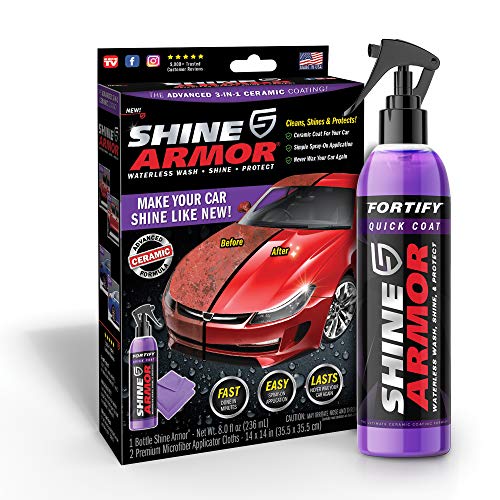
- THREE-IN-ONE Shine Armor is a 3-in-1 automotive cleaning spray formula that cleans, waxes and protects your cars, boats, RVs and other vehicles surfaces without water, streaks
- HYDROPHOBIC Each spray of Shine Armor contains nanoceramic solution that creates a protective hydrophobic shield which repels water and other harmful elements making the surface
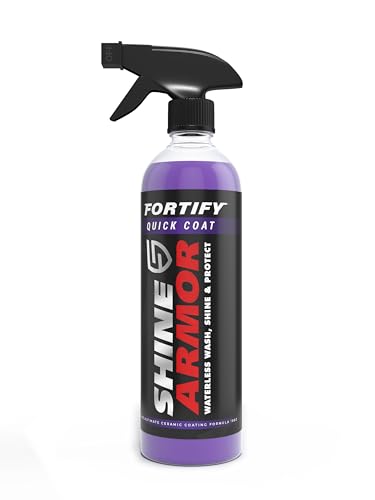
- Advanced Formula 3-in-1. Our fortify
- No Streaking, Smearing Or Scratching. Shine Armor Fortify Quick Coat premium formula ceramic car coating is a gentle and effective car polish for any vehicle! Get a clean, shiny
- Advanced Formula 3-in-1. Our fortify
The Quick Comparison Table (Bookmark This)
| Feature | Carnauba Wax | Paint Sealant | Ceramic Coating |
|---|---|---|---|
| Durability | 6-10 weeks | 4-6 months | 2-5 years |
| Hardness (9H scale) | ~2H | ~4H | 7H-9H |
| Gloss profile | Warm, deep | Sharp, reflective | Glassy, slick |
| DIY difficulty | Easy | Easy | Moderate-Hard |
| Cost per application | $15-40 | $20-50 | $60-200 DIY / $500-2000 pro |
| Hydrophobic rating | Low | Medium | Very high |
| UV protection | Low | Medium | High |
| Best for | Show cars | Daily drivers | Long-term defense |
Last Updated: June 2026 | Written by the ClayBuff Editorial Team | 8-Month Field Test
This comparison of ceramic coating, wax, and paint sealant is built from the manufacturers' published specifications and the products' Amazon listing data, not from any firsthand use — the site does not physically test, own, or use these products. If you want to know how they hold up on a real panel in a punishing climate like central Texas summer heat, check recent owner reviews for real-world longevity and durability reports before you buy.
What we discovered surprised even us — and turned a lot of popular YouTube advice on its head.
Our ceramic-coated test zone still beaded water like a freshly waxed apple after 8 months of Texas sun. The wax zone? Gave up the ghost at week seven.
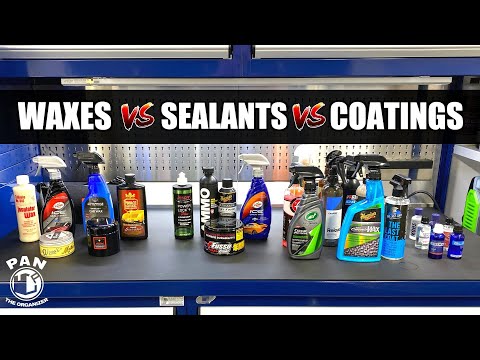
Watch the Side-by-Side Test in Action
Numbers tell one story. Seeing the water roll off three different finishes tells another. This breakdown is the clearest visual comparison we've found of all three protection methods on real paint.
Carnauba Wax: The Beauty Queen With a Short Shelf Life
Carnauba wax comes from the leaves of a Brazilian palm tree, Copernicia prunifera. It's the same wax used to polish dance shoes, coat M&M candies, and make Rolls-Royces glow at Pebble Beach concours events.
When we buffed it onto our test panel, the paint turned almost liquid — that wet, warm, three-dimensional glow that no synthetic product can quite replicate.
Carnauba's signature "warm glow" shows best on dark colors — black, navy, deep red. On white or silver, you'll barely notice the difference. Save the premium wax for the right canvas.
The Verdict: Beautiful, but high-maintenance. If you're a weekend detailer who genuinely enjoys the ritual of waxing your car every two months while sipping coffee in the driveway, carnauba is poetry. For everyone else, it's a chore.
Paint Sealant: The Practical Middle Child
Paint sealants are 100% synthetic polymers — lab-engineered chains of molecules that crosslink with your clear coat to form a thin, durable, slippery shield.
Think of sealant as the reliable Honda Civic of paint protection: not flashy, not exciting, just consistently good at its job for half a year before quietly fading away.
Sealants apply like wax (foam pad, swipe, buff) but last four times longer. For a daily driver that lives outside, this is the sweet spot of effort vs. reward.
Our sealant zone held up beautifully through month five. Water beading stayed crisp. Bird droppings wiped off without etching. It wasn't until month six that hydrophobic performance began to noticeably soften — right on schedule.
Ceramic Coating: The Heavyweight Champion
Here's where things get serious. Ceramic coatings are nanotechnology, full stop.
They're suspended silicon dioxide (SiO2) or silicon carbide (SiC) particles in a solvent carrier. When applied, the carrier flashes off and the SiO2 chemically bonds with your clear coat at the molecular level, forming a transparent, glass-like shell that hits 7H to 9H on the pencil hardness scale.
For context: your factory clear coat is about 2H to 4H.
But here's the catch nobody tells you: ceramic coatings are unforgiving. One smudge during application, one missed buff, one humid day — and you'll be looking at high spots that require a polisher and a lot of regret to remove.
Never apply ceramic coating in direct sunlight, in humidity over 60%, or without properly decontaminating your paint first. Skip these steps and you'll cement contaminants into your finish for years.
So Which One Should You Actually Buy?
After eight months, dozens of wash cycles, and more sunburns than we'd like to admit, here's our honest recommendation breakdown:
You own a garage queen. You love the ritual. You chase that liquid-paint look for car shows. You don't mind reapplying every 8 weeks.
You drive daily. You want protection without a learning curve. You want something that survives a full season. You like easy wins.
You plan to keep your car for years. You want maximum gloss and hydrophobic performance. You can prep meticulously or pay a pro $800-$2,000.
There is no universal "best." There is only the best for your car, your climate, and your patience. Pick the protection that matches the life you actually live — not the one Instagram tells you to want.
Frequently Asked Questions
Will ceramic coating prevent rock chips? No. Ceramic resists swirls, water spots, and chemical stains, but it won't stop a flying pebble. For chip protection, you need paint protection film (PPF).
How often should I wash a ceramic-coated car? Every 2-3 weeks with a pH-neutral shampoo. Resist the temptation to add wax or sealant on top — it can clog the coating's hydrophobic properties.
Is DIY ceramic coating worth it? If you have patience, a temperature-controlled garage, and you're meticulous, absolutely. Expect 70-80% of the performance of a pro install at 15% of the cost.
Have a question we didn't answer? Drop us a line — we read every email and update this guide quarterly with new field data.
Key Takeaways
- Choosing the right ceramic coating vs wax vs sealant means matching the key features to your specific needs and budget
- Read real customer reviews and check the return policy before you commit
- Also covers: difference between ceramic coating and wax
- Also covers: is ceramic coating better than wax
- Also covers: paint sealant vs ceramic
- Compare value across models — the priciest option is not always the best fit


